How Family Chiropractic Services Support Long-Term Health for Every Generation
Checking Out Spinal Decompression Techniques: What You Required to Know for Better Spine Care
Spinal decompression techniques are vital for individuals experiencing chronic neck and back pain or spinal concerns. These methods vary from non-invasive treatments to medical choices, each created to eliminate stress on the spinal column. Comprehending these techniques is necessary for effective spine treatment. Not all strategies are suitable for every problem. The nuances behind each technique warrant more detailed examination, as they can considerably affect recovery and overall wellness outcomes. What aspects should one take into consideration before deciding?
Comprehending Spinal Decompression
Spinal decompression might sound complex, it fundamentally refers to a range of techniques intended at minimizing pressure on the spinal cable and surrounding nerves. The spine is a critical structure that sustains the body and shields vital neurological pathways. When compression happens, it can cause discomfort, pain, and reduced mobility. Comprehending spinal decompression involves acknowledging the sources of this pressure, such as herniated discs, spinal stenosis, or injury. By attending to these underlying issues, decompression methods seek to recover correct positioning and feature. This procedure can entail both surgical and non-surgical approaches, tailored to specific person demands. The objective is to boost the quality of life by eliminating discomfort, enhancing stance, and promoting much better motion. As awareness of spinal health grows, the relevance of comprehending spinal decompression ends up being progressively pertinent for those looking for reliable therapy alternatives
Usual Spinal Decompression Techniques
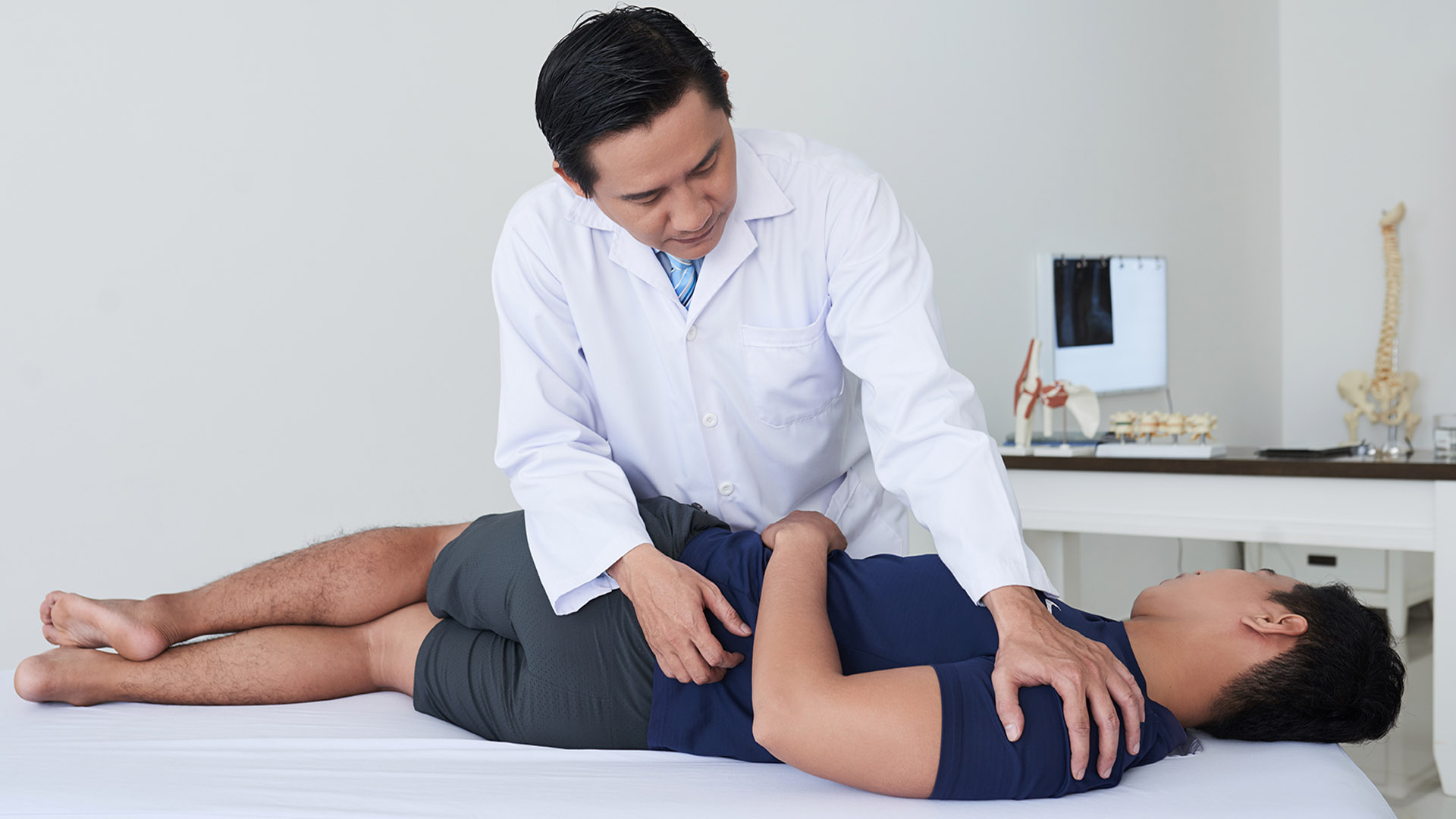
Spinal decompression methods encompass an array of techniques developed to soothe stress on the spine and its involved frameworks. These techniques can be generally classified into non-surgical and surgical strategies. Non-surgical methods include spinal grip, where mild pulling pressures are put on the back, developing area in between vertebrae. This can alleviate nerve compression and promote healing. Chiropractic modifications likewise fall under this category, concentrating on realigning the spinal column to improve function.
Surgical decompression methods involve procedures such as laminectomy, where a portion of the vertebra is removed to soothe pressure on the spinal cord or nerves. Discectomy, an additional surgical option, requires the removal of herniated disc product. Additionally, minimally invasive methods, like endoscopic discectomy, are obtaining appeal because of their lowered recuperation times. Each strategy serves a details objective and might be chosen based upon specific client requirements and the severity of their spinal problem.
Advantages of Spinal Decompression
When considering the different strategies to handling spinal issues, the advantages of spinal decompression techniques end up being obvious. These methods intend to eliminate pressure on the spinal discs and nerves, which can ease pain and boost general spinal health and wellness. By producing area between vertebrae, decompression advertises enhanced blood flow and nutrient flow to the impacted areas, promoting healing and recovery.
Additionally, spinal decompression can assist bring back the natural placement of the back, potentially minimizing the risk of future injuries. Individuals often report raised movement and flexibility list below therapy, resulting in a better high quality of life. The decrease in stress can reduce signs and symptoms linked with conditions such as herniated discs, sciatic nerve pain, and spinal constriction, using a non-invasive alternative to more invasive procedures. In general, spinal decompression strategies supply an array of physical and therapeutic advantages, making them an important element of comprehensive spine treatment.
That Can Profit From Spinal Decompression?
People experiencing persistent pain in the back, herniated discs, or spinal constriction might locate substantial relief through spinal decompression strategies. This non-invasive therapy can be particularly valuable for those experiencing nerve compression symptoms, such Spinal Decompression as tingling, feeling numb, or weak point in the arm or legs. Professional athletes recovering from injuries or individuals with degenerative disc condition might additionally think about spinal decompression as a viable choice for discomfort administration and improved mobility.
In addition, prospects for spinal decompression commonly include those who have actually not reacted well to standard therapies, such as medications or physical treatment. It can likewise act as an option for clients seeking to prevent surgical treatment. In general, spinal decompression methods can provide a restorative alternative for numerous individuals dealing with spinal issues, aiding them restore a greater high quality of life and functional capability. Consulting a health care professional is important to determine the viability of this therapy for particular problems.
Considerations and Safety Measures for Spinal Decompression
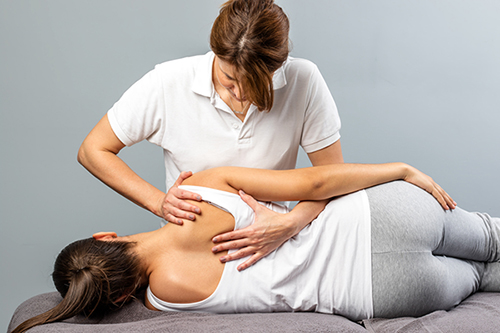
The sort of spinal decompression strategy-- whether non-surgical or medical-- should line up with the person's details condition and general wellness condition. Surveillance during the treatment is important to deal with any type of damaging responses quickly. Patients must additionally recognize that spinal decompression is not a one-size-fits-all remedy; a comprehensive treatment plan may consist of physical therapy or way of living changes to support healing. On the whole, sticking to these precautions can greatly boost the effectiveness of spinal decompression therapies and promote optimal spine health and wellness.

Frequently Asked Questions
The length of time Does a Regular Spinal Decompression Session Last?
A common spinal decompression session lasts between 30 to 45 minutes. This duration enables perfect therapy while guaranteeing the person stays comfortable and receives sufficient attention to their specific spinal concerns and requirements.
Can Spinal Decompression Be Done at Home?
Spinal decompression can be done in the house with specific workouts and tools, such as inversion tables or back dental braces. However, appointment with a medical care professional is suggested to guarantee safety and security and efficiency in individual cases.
Is Spinal Decompression Painful?
Spinal decompression is normally not painful; however, people might experience moderate discomfort or stress during the treatment. Discomfort degrees can differ based on the individual's condition and the technique utilized for decompression.
The Number Of Sessions Are Typically Needed for Alleviation?
Commonly, people might call for 6 to 10 sessions of spinal decompression treatment to experience considerable alleviation (Family Chiropractic). The specific number can differ based on private conditions and actions to treatment, necessitating personalized analysis by medical care professionals.
Are There Any Age Constraints for Spinal Decompression?
There are normally no rigorous age constraints for spinal decompression therapy. Suitability may depend on individual wellness conditions and the particular method made use of, so appointment with a healthcare specialist is advised for personalized recommendations.
Spinal decompression techniques are crucial for people experiencing chronic back discomfort or spinal concerns. Spinal decompression might appear facility, it fundamentally refers to a variety of techniques aimed at relieving pressure on the spinal cord and surrounding nerves. When taking into consideration the numerous techniques to managing spinal issues, the advantages of spinal decompression techniques come to be evident. Individuals enduring from persistent back discomfort, herniated discs, or spinal stenosis might discover substantial relief with spinal decompression techniques. Generally, spinal decompression techniques can provide a restorative choice for various individuals dealing with spinal concerns, aiding them gain back a higher high quality of life and practical capability.